


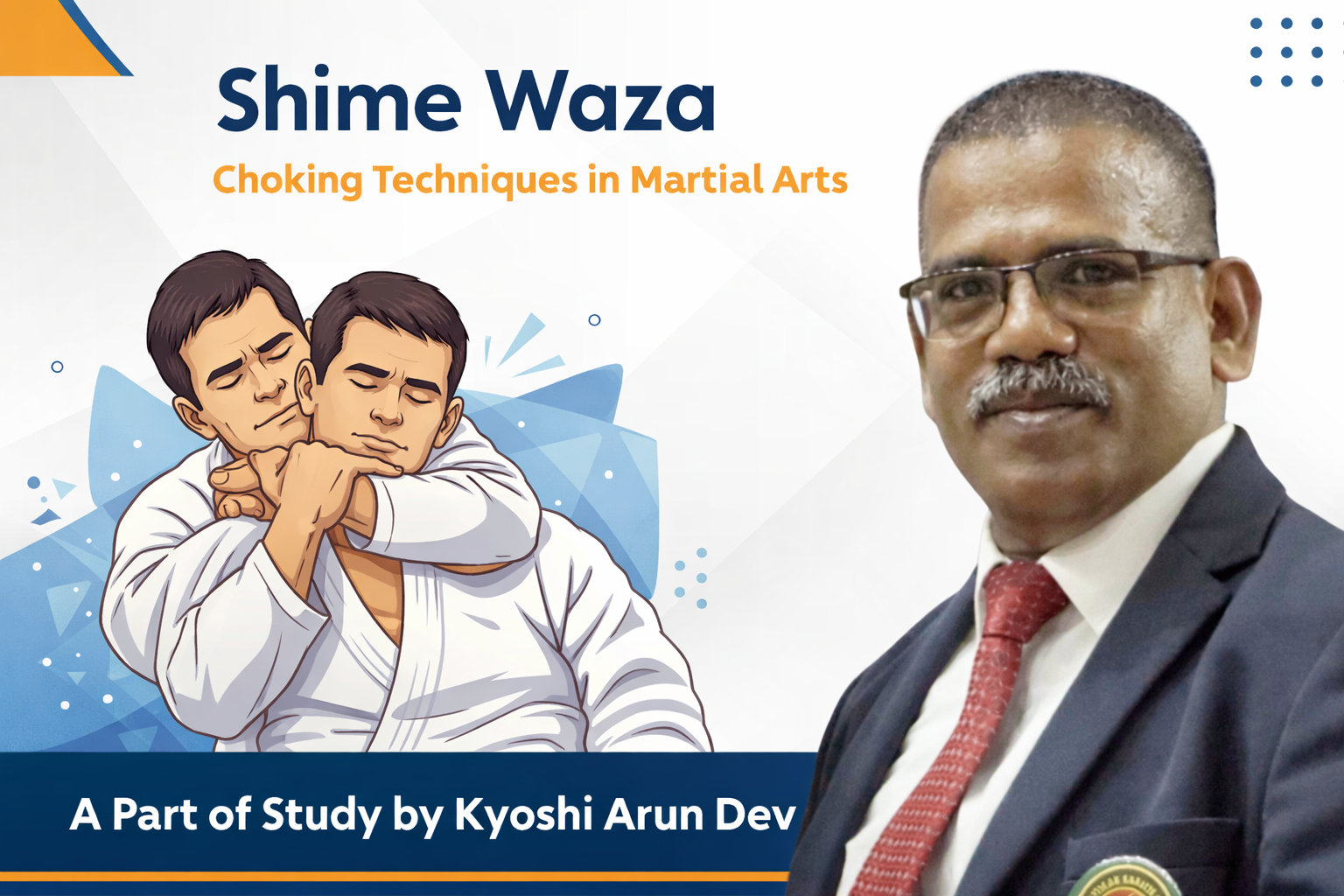
A STUDY
In the vast technical spectrum of Japanese martial arts, few areas combine precision, control, and responsibility as profoundly as Shime Waza (絞め技)—the art of choking techniques. Practiced in systems like Judo, Brazilian Jiu-Jitsu, and traditional Jiu-Jitsu, Shime Waza represents the pinnacle of efficiency in submission-based combat.
Unlike striking techniques, choking techniques allow a practitioner to neutralize an opponent with minimal force. However, this effectiveness also demands a deep understanding of anatomy, timing, and ethical responsibility.
Shime Waza techniques are designed to control an opponent by targeting the neck. They are broadly classified into two categories:
Blood Chokes (Vascular Chokes)
These techniques compress the carotid arteries, reducing blood flow to the brain. When applied correctly, they can render an opponent unconscious within seconds. These are the most commonly used and preferred techniques in competitive martial arts.
Air Chokes (Tracheal Chokes)
These techniques apply pressure to the windpipe, causing pain and restricting breathing. While effective, they are less efficient and can be dangerous if misused.
Core Techniques of Shime Waza
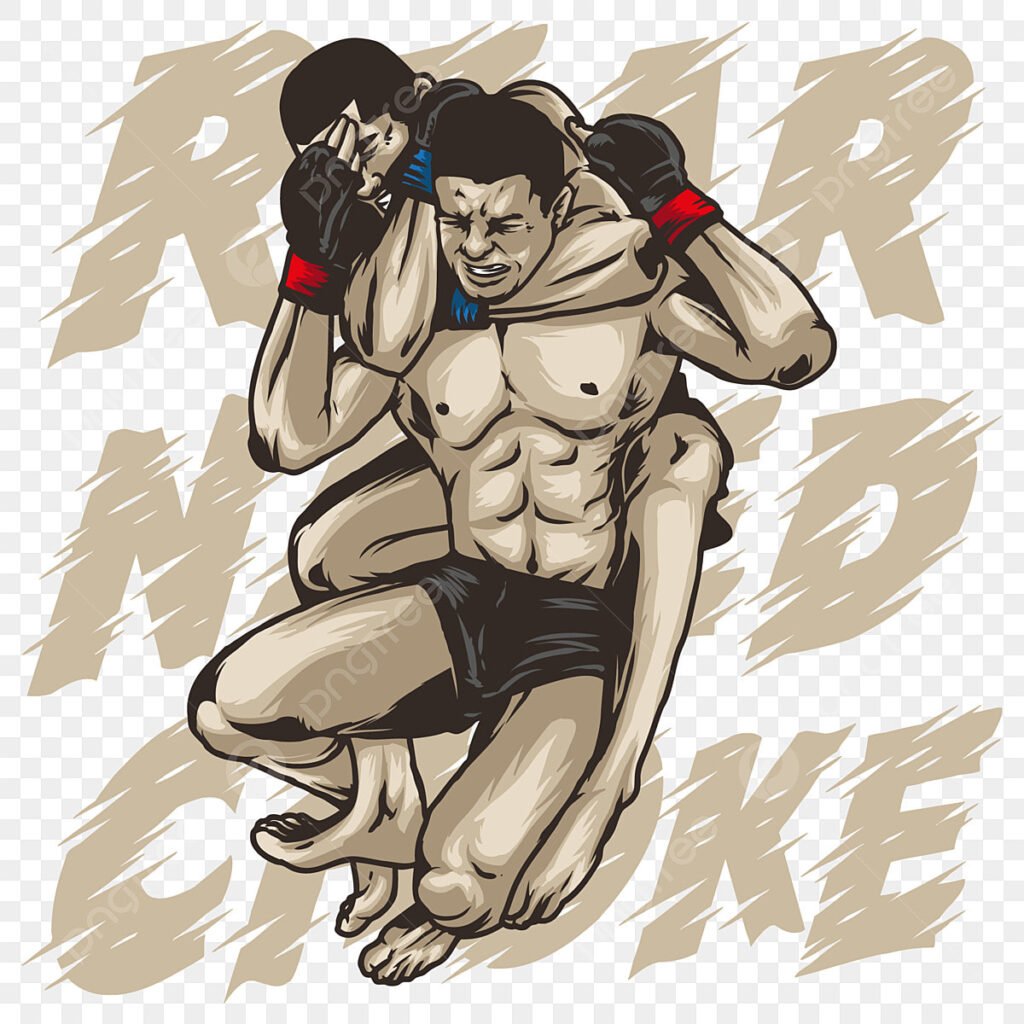
1. Hadaka Jime (Rear Naked Choke)
Hadaka Jime is one of the most fundamental and widely used choking techniques. Applied from behind, it uses the arms to encircle the opponent’s neck without relying on the uniform.
Key Points:
- Dominant back control is essential
- Forearm aligns with carotid arteries
- Minimal strength required when applied correctly
This technique is frequently seen in professional competitions such as UFC.
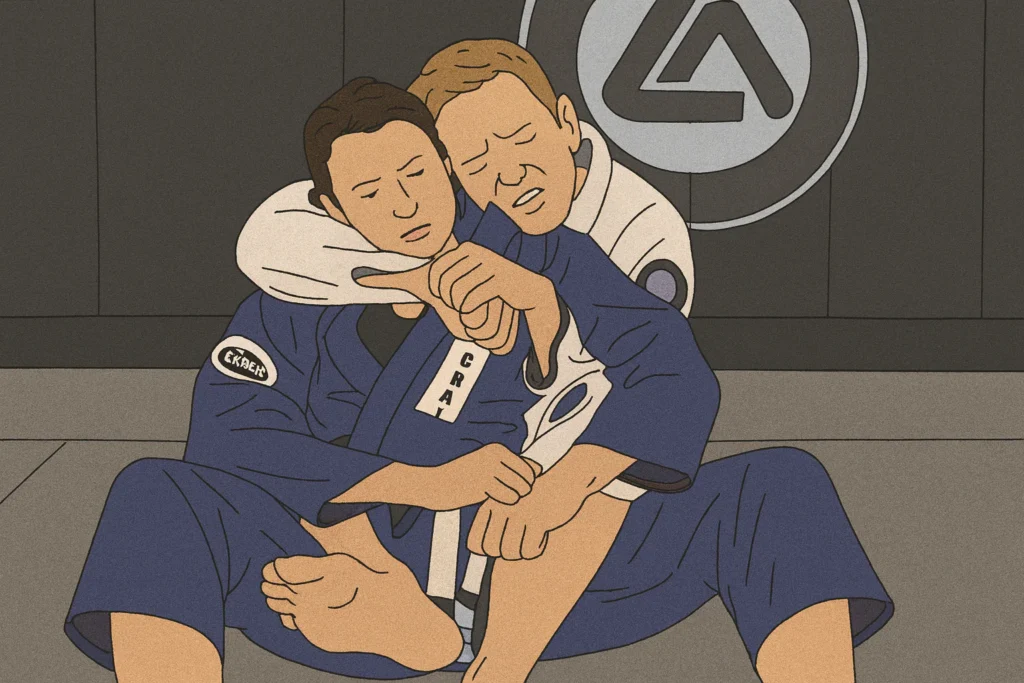
This technique utilizes the opponent’s gi (uniform). One hand inserts deep into the collar while the other hand slides across to tighten the choke.
Key Points:
- Strong grip inside the collar
- Effective leverage using the gi
- Common in gi-based grappling systems
Kata Juji Jime (Cross Choke)
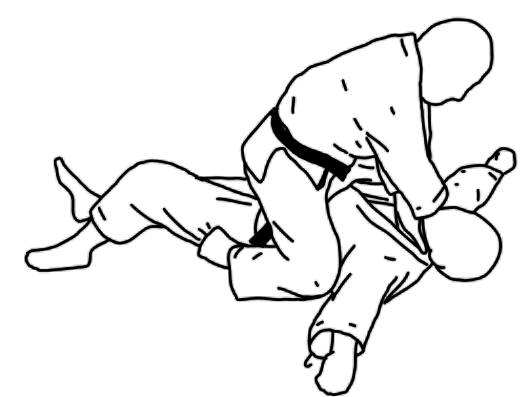
Kata Juji Jime involves crossing both hands while gripping the opponent’s collar. It can be executed from multiple positions such as guard or mount.
Key Points:
- Symmetrical collar grips
- Requires precise wrist alignment
- Highly effective when posture is broken
Sankaku Jime (Triangle Choke)
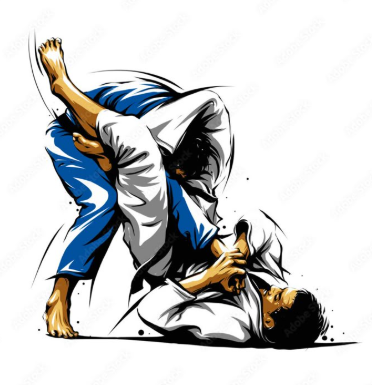
Sankaku Jime uses the legs to form a triangular lock around the opponent’s neck and arm, creating a powerful vascular choke.
Key Points:
- One leg across the neck, the other locks behind the knee
- Requires angle adjustment for effectiveness
- Common in ground fighting scenarios
Principles Behind Effective Application
Precision Over Strength
Shime Waza relies on correct positioning rather than brute force. Even a physically smaller practitioner can successfully apply these techniques.
Position Before Submission
Control positions such as mount, guard, or back control increase the success rate significantly.
Timing and Opportunity
Applying a choke when the opponent is distracted or defending another attack increases effectiveness.
Structural Alignment
Proper use of forearms, lapels, and legs ensures efficient pressure without unnecessary strain.
Safety and Ethical Considerations
Due to the potentially dangerous nature of choking techniques, strict safety measures must be followed:
- Always train under qualified supervision
- Immediate release upon tapping
- Avoid prolonged application
- Understand physiological limits
Organizations such as the International Judo Federation regulate the use of choking techniques, especially for younger practitioners.
Role of Shime Waza in Martial Development
Shime Waza is not merely a set of techniques—it is a study of control, discipline, and awareness.
It teaches:
- Calmness under pressure
- Efficient use of energy
- Respect for training partners
- Technical mastery over physical dominance
In traditional Budo philosophy, it reflects deeper principles such as control without harm and maximum efficiency with minimum effort.
Shime Waza stands as one of the most refined aspects of martial arts training. Its effectiveness lies not in force, but in understanding—of the human body, of timing, and of responsibility.
For instructors, practitioners, and students alike, mastering Shime Waza is a journey that demands discipline, awareness, and respect. When practiced correctly, it becomes not just a tool for submission, but a pathway to deeper martial understanding.










Leave a Reply