


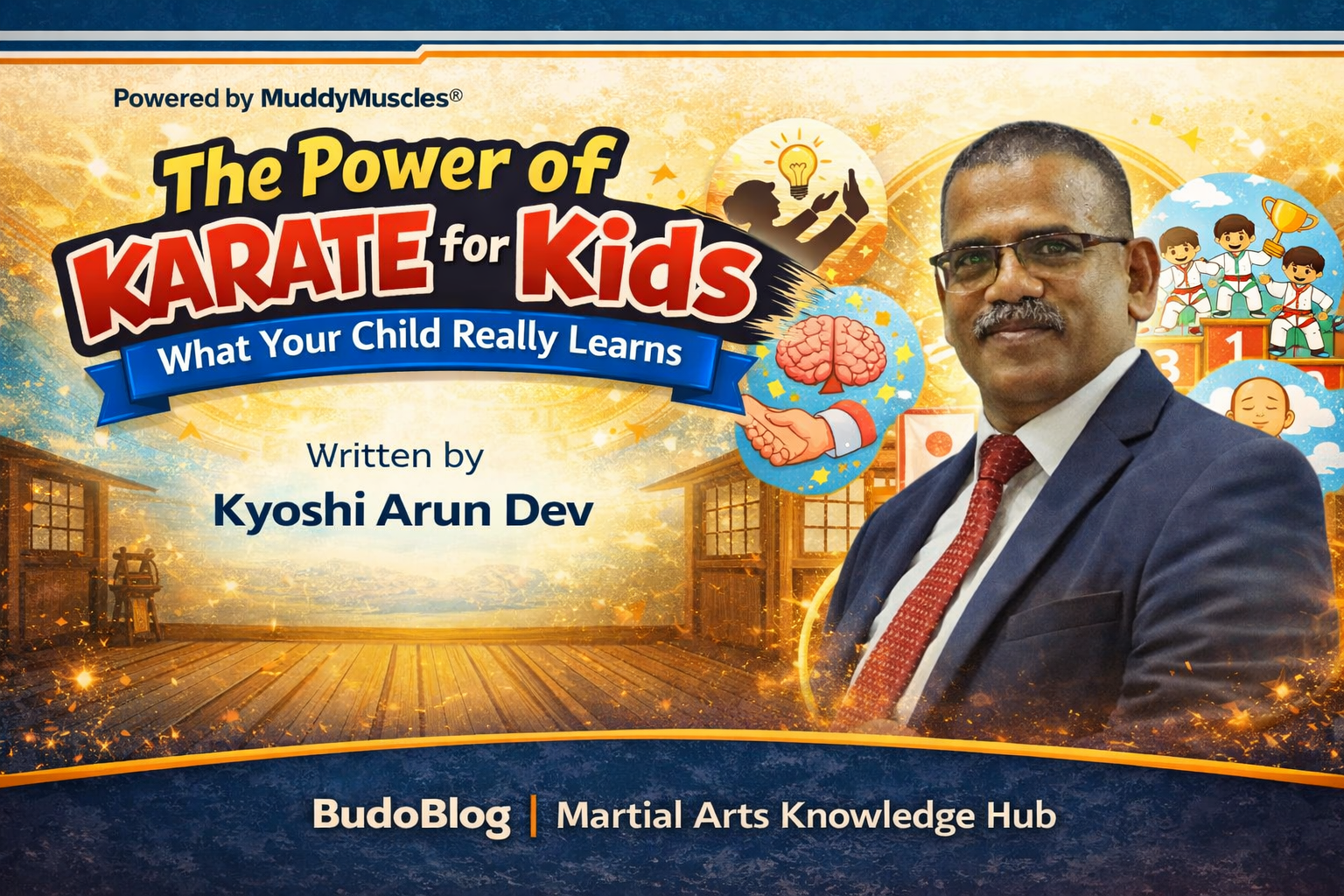
The Power of Karate for Kids – A Parent’s Guide (Part 3)
Karate is far more than a physical activity—it is a powerful system that gradually transforms a child’s behaviour, learning ability, and overall personality. One of the first changes parents notice is in behaviour. Children who practice Karate become more respectful towards parents, teachers, and elders. They begin to listen carefully, follow instructions, and develop patience. Instead of reacting with anger or frustration, they learn to pause, think, and respond calmly. This emotional control becomes a strong foundation for their personal growth.
Karate also has a direct positive impact on a child’s studies. The structured nature of training—especially practicing techniques and kata—improves concentration and memory. Children develop the ability to focus for longer periods, which reflects in their classroom learning and homework habits. They become more responsible and disciplined in completing their academic tasks. Over time, this consistency leads to noticeable improvement in their performance at school.
Another important benefit is the development of smartness and decision-making ability. Karate trains the mind to think quickly and act wisely. Children become more aware of their surroundings and learn how to assess situations before taking action. This builds practical intelligence, helping them respond confidently even under pressure. They are no longer confused or hesitant but become alert, thoughtful, and composed in their approach.
In terms of physical activity, Karate naturally increases a child’s energy levels and activeness. Children who were once inactive or overly attached to screens begin to enjoy movement and physical training. Their stamina improves, their body becomes stronger, and their coordination and balance develop significantly. This active lifestyle not only improves health but also brings enthusiasm into their daily routine.
Karate also builds confidence in a very balanced way. Children become more confident in expressing themselves, participating in school activities, and interacting with others. However, this confidence is not mixed with arrogance. They remain grounded, respectful, and aware of their responsibilities, which makes their personality truly admirable.
Finally, one of the most valuable lessons Karate teaches is self-control and safety awareness. Children learn that fighting is not the goal; instead, they understand when to avoid conflict and how to protect themselves if necessary. This awareness gives them a sense of security without promoting aggression.
Overall, Karate shapes a child into a well-behaved individual at home, a focused student in school, a smart thinker in real-life situations, an active and healthy individual, and a confident yet humble personality. It is not an instant change, but a steady and powerful transformation that lasts a lifetime.
In the earlier parts, we explored why Karate is beneficial for children and how it shapes their physical and mental development. In this third part, let us go deeper into the true essence of Karate—what your child is actually learning beyond kicks and punches.
What is Karate? (A Simple Understanding for Parents)
Karate is a traditional Japanese martial art that focuses on empty-hand combat techniques—using punches, kicks, elbows, and knees effectively without weapons. The term itself means:
- Kara – Empty
- Te – Hand
So, Karate literally means “empty hand.”
But for children, Karate is much more than self-defense. It is a life-building system that develops:
- Discipline
- Respect
- Focus
- Confidence
- Emotional balance
Karate training involves structured practice through:
- Kihon (Basics) – foundational techniques
- Kata (Forms) – sequences that simulate real combat
- Kumite (Sparring) – controlled application of techniques
Traditional Karate vs Sports Karate – What Should Parents Know?
As a parent, you may come across two main approaches:
1. Traditional Karate
This is the root form of Karate, focusing on:
- Self-defense in real-life situations
- Character development
- Discipline and moral values
- Long-term growth
Children trained in traditional Karate learn how to think, control emotions, and act responsibly.
2. Sports Karate
This version focuses on competition and tournaments, including:
- Point-based sparring
- Speed and performance
- Winning medals
It builds:
- Athletic ability
- Competitive spirit
- Confidence on stage
Which One is Better for Kids?
The best approach is not choosing one over the other—but balancing both.
Ideal Learning Path:
- Start with Traditional Karate → Build strong foundation
- Gradually introduce Sports Karate → Enhance confidence and exposure
This ensures your child becomes:
- Strong in values
- Skilled in techniques
- Confident in competitions
What Your Child Actually Gains from Karate
Many parents think Karate is about fighting. In reality, it teaches children how not to fight unnecessarily.
Key Life Lessons:
1. Control Over Aggression
Children learn when to act and when to stay calm.
2. Respect for Others
Bowing, discipline, and dojo etiquette build humility.
3. Focus and Patience
Progress in Karate is gradual—this teaches long-term commitment.
4. Confidence Without Arrogance
Children become confident, yet grounded.
5. Real-Life Awareness
They develop situational awareness and self-protection skills.
The Philosophy Behind Karate
Karate is deeply rooted in values such as:
- Self-discipline
- Respect
- Perseverance
- Integrity
A powerful concept in Karate is:
“Ikken Hissatsu” – One Strike, One Decision
This does not mean aggression—it teaches:
- Precision
- Responsibility
- Awareness of consequences
Children learn that every action has impact—a powerful life lesson.
Why Karate is Different from Other Activities
Unlike many sports or hobbies, Karate:
- Builds mind + body + character together
- Teaches life skills, not just techniques
- Creates a structured discipline system
- Encourages respect for teachers, parents, and society
It is not just an activity—it is a way of life (Budo).
A Parent’s Role in the Karate Journey
Your involvement is crucial.
Support your child by:
- Encouraging regular practice
- Attending gradings and events
- Appreciating effort, not just results
- Reinforcing discipline at home
Karate training becomes more powerful when home and dojo values align.
The True Power of Karate
Karate is not about creating fighters—it is about creating strong, responsible, and disciplined individuals.
When a child learns Karate properly, they gain:
- Strength without violence
- Confidence without ego
- Skill with responsibility
That is the true power of Karate.



Leave a Reply